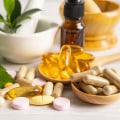
In an era where health and wellness take precedence, the marketplace is flooded with options for achieving better well-being. Among these options are natural supplements and pharmaceutical supplements, each promising benefits to enhance our health. However, navigating the regulatory landscape surrounding these products can be daunting for consumers and industry professionals alike. Understanding the regulatory differences between natural and pharmaceutical supplements is crucial for making informed choices. While both types of supplements aim to improve health outcomes, they are governed by distinct sets of regulations that affect their safety, efficacy, and marketing practices.
Natural supplements often fall under different regulatory frameworks compared to their pharmaceutical counterparts, leading to significant disparities in quality control, research requirements, and consumer protection. This article delves into the intricate web of regulations that govern these two categories of supplements. We will explore how these differences impact consumer safety, market accessibility, and the overall integrity of health products. Join us as we unravel the complexities of the regulatory landscape, shedding light on what you need to know before making your next supplement decision. The regulatory environment for natural supplements is primarily governed by the Dietary Supplement Health and Education Act (DSHEA) of 1994. This legislation established a framework for the regulation of dietary supplements, allowing products that contain vitamins, minerals, herbs, amino acids, and other dietary ingredients to be marketed without the rigorous pre-market approval process that is a hallmark of pharmaceuticals. Under DSHEA, the responsibility for ensuring the safety and efficacy of these products largely rests with the manufacturers.
They are not required to demonstrate the effectiveness or safety of their products before bringing them to market, which can lead to significant variability in product quality and efficacy. In stark contrast, pharmaceutical drugs are subjected to stringent regulations enforced by the Food and Drug Administration (FDA). Before a new drug can be approved for sale, it must undergo a series of clinical trials to demonstrate its safety and efficacy. These trials are designed to assess how a drug works in the body and to identify any potential side effects. The process is rigorous and can take several years, ensuring that when a pharmaceutical is prescribed, it has been thoroughly vetted.
For instance, medications like Orlistat, which is used for weight loss, have undergone extensive testing to confirm their effectiveness and safety profile. The leniency in regulations surrounding natural supplements means that popular products can vary widely in terms of quality. For example, green tea extract and garcinia cambogia are often marketed as natural diet pills, yet there is little consistency in the dosages or concentrations of active ingredients across different brands. This variability raises concerns among consumers regarding the actual benefits and risks associated with these products. Moreover, while pharmaceuticals are subject to comprehensive clinical trials that account for diverse populations and long-term use, most natural supplements lack such rigorous testing. This absence of clinical trials means that potential side effects may not be well-documented or understood. are often marketed as natural diet pills, yet there is little consistency in the dosages or concentrations of active ingredients across different brands. This variability raises concerns among consumers regarding the actual benefits and risks associated with these products. Moreover, while pharmaceuticals are subject to comprehensive clinical trials that account for diverse populations and long-term use, most natural supplements lack such rigorous testing. This absence of clinical trials means that potential side effects may not be well-documented or understood.
For instance, while St. John's Wort is commonly used as a natural remedy for depression, it can interact with other medications, leading to adverse effects that consumers might not anticipate. The debate surrounding natural versus pharmaceutical supplements often brings forward differing viewpoints. Advocates for natural products argue that they are derived from natural sources and can be safer than synthetic drugs. They emphasize that many cultures have utilized herbal remedies for centuries with positive outcomes.
However, critics point out that this historical use does not guarantee safety or efficacy today. The lack of oversight can lead to quality control issues; some products might contain contaminants or not contain the stated amounts of active ingredients. This discussion highlights the importance of consumer education regarding both natural supplements and pharmaceuticals. Understanding the regulatory differences is crucial for making informed choices about weight loss and appetite management options. While natural supplements may offer appealing alternatives, it is essential for individuals to weigh the benefits against potential risks—considering both anecdotal evidence and scientific research—as they navigate their health choices.
The Pharmaceutical Approach
The regulation of prescription diet pills is significantly more stringent compared to their natural counterparts.This rigorous testing and approval process is essential to ensure both the safety and efficacy of these products before they reach consumers. Initially, pharmaceutical companies must conduct extensive clinical trials that evaluate the diet pill's effects on weight loss and appetite management. These trials typically progress through three phases: Phase I focuses on safety and dosage, Phase II assesses the drug's efficacy and side effects, and Phase III involves a larger patient population to confirm effectiveness, monitor side effects, and compare with standard treatments. Once a diet pill successfully passes all phases of clinical trials, it must receive approval from regulatory bodies such as the Food and Drug Administration (FDA) in the United States. This approval signifies that the product has met the necessary standards for safety and effectiveness. After a diet pill is on the market, the post-market surveillance phase begins. This ongoing monitoring is crucial as it helps identify any long-term effects or rare side effects that may not have been evident during clinical trials.
Regulatory agencies require manufacturers to report any adverse events, ensuring that the safety profile of the product remains transparent and up-to-date. In summary, the pharmaceutical approach to diet pills encompasses a comprehensive framework of testing and regulatory oversight that aims to protect consumers while providing effective solutions for weight loss and appetite management.
Consumer Awareness and Decision Making
In today’s market, consumers are increasingly turning to diet pills for weight loss and appetite management. However, the landscape of these products is complex, particularly when it comes to understanding the regulatory differences between natural supplements and pharmaceutical supplements. It is essential for consumers to be educated about these distinctions to make informed decisions regarding their health and wellness. Natural supplements often fall under different regulatory frameworks compared to their pharmaceutical counterparts. In many jurisdictions, natural supplements are classified as dietary supplements, which generally face less stringent regulations.This can lead to variability in the quality, potency, and safety of these products. On the other hand, pharmaceutical supplements must undergo rigorous testing and approval processes to ensure their safety and effectiveness before they can be marketed. This disparity highlights the importance of consumer awareness. Consumers should actively seek information about the products they choose to use. This includes understanding how the regulatory status of a supplement can impact its formulation, potential side effects, and overall efficacy.
By being informed about the differences in regulations, consumers can better assess the credibility of claims made by manufacturers and select products that align with their health goals. Furthermore, awareness of these regulatory differences empowers consumers to engage in discussions with healthcare professionals. This dialogue can facilitate better decision-making and encourage individuals to prioritize safety and efficacy when considering diet pills. Ultimately, a well-informed consumer is more likely to choose products that not only meet their weight loss goals but also support their overall health.
Regulatory Framework for Natural Supplements
The regulation of natural supplements is primarily governed by the Dietary Supplement Health and Education Act (DSHEA) of 1994 in the United States. Under this framework, natural supplements are categorized as food products rather than drugs, which significantly influences their regulatory requirements. Manufacturers of natural supplements are responsible for ensuring that their products are safe and that the labeling is truthful and not misleading.However, unlike pharmaceutical drugs, natural supplements do not need to undergo pre-market approval by the Food and Drug Administration (FDA). This means that manufacturers can market their products without having to prove their safety or efficacy before they hit the shelves. Labeling requirements for natural supplements include a Supplement Facts panel that outlines the ingredients, serving size, and the amount of each ingredient per serving. Additionally, while manufacturers can make health claims about their products, these claims must be substantiated with evidence. There are three types of claims that can be made: health claims (which describe a relationship between a nutrient and a disease), structure/function claims (which describe how a product may affect the structure or function of the body), and nutrient content claims (which describe the level of a nutrient in a product).It's also important to note that any claims made on the label must include a disclaimer stating that the FDA has not evaluated the product.
This disclaimer serves to inform consumers that natural supplements are not intended to diagnose, treat, cure, or prevent any disease. The regulatory landscape for natural supplements is complex and somewhat lenient compared to that of pharmaceutical products, leading to potential challenges for consumers seeking safe and effective options. Understanding these regulations is essential for making informed choices about dietary supplements.
Effectiveness and Safety Considerations
When considering weight loss and appetite management, individuals often weigh the effectiveness of natural supplements against that of pharmaceutical options. While both categories aim to assist users in achieving their health goals, their mechanisms of action, efficacy, and safety profiles can differ significantly.Natural supplements
, which often consist of herbs, vitamins, and minerals, are generally perceived as safer alternatives. However, their effectiveness can vary widely depending on the specific product and its formulation.For example, ingredients like green tea extract and glucomannan have shown some promise in aiding weight loss by boosting metabolism or promoting feelings of fullness. Nonetheless, scientific evidence supporting these claims can be inconsistent. On the other hand, pharmaceutical supplements, such as prescription diet pills, are typically backed by more rigorous clinical trials and regulatory scrutiny. Drugs like orlistat and phentermine have demonstrated significant weight loss results in controlled studies. However, these medications often come with a range of potential side effects, including increased heart rate, insomnia, and gastrointestinal issues.
User experiences can also vary; while some may find success with these medications, others may encounter adverse effects that outweigh the benefits. Moreover, the regulatory frameworks governing natural and pharmaceutical supplements play a crucial role in their safety profiles. Natural products are often marketed with less stringent oversight, which can lead to inconsistencies in quality and potency. In contrast, pharmaceutical products undergo extensive testing for safety and efficacy before they reach consumers. This distinction is vital for users who prioritize both effectiveness and safety in their weight management journeys. In summary, while both natural and pharmaceutical options offer potential benefits for weight loss and appetite control, understanding their respective effectiveness and safety considerations is essential for informed decision-making. In conclusion, understanding the regulatory differences between natural and pharmaceutical supplements is essential for consumers navigating the complex landscape of diet pills.
The regulations governing these products vary significantly, impacting their safety, effectiveness, and overall quality. Natural supplements often face less stringent oversight compared to their pharmaceutical counterparts, which undergo rigorous testing and approval processes. This disparity highlights the importance of consumer awareness in making informed decisions. As consumers, it is vital to prioritize both safety and effectiveness when exploring options for weight loss and appetite management. By being informed about the regulatory frameworks surrounding these products, individuals can better assess the risks and benefits associated with each type of supplement.
Ultimately, a well-informed choice can lead to safer and more effective outcomes in the pursuit of health and wellness.