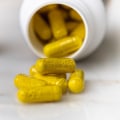
In the ever-evolving landscape of weight loss solutions, the quest for effective over-the-counter (OTC) options has led many consumers down a path filled with myriad choices. With countless products claiming miraculous results, it becomes increasingly challenging to sift through the noise and identify which ingredients truly hold the key to successful weight management.
Ingredient analysis of leading OTC options
is crucial for anyone looking to make informed decisions about their health and wellness. This article aims to delve deep into the components of some of the most popular OTC weight loss products on the market today.By understanding what these ingredients do, how they work, and their potential side effects, you can empower yourself to choose the right solution tailored to your needs. Are you curious about which ingredients have been scientifically proven to aid in weight loss? Do you want to know if the claims made by popular brands are backed by research? Join us as we explore the fascinating world of dietary supplements and uncover the truth behind their efficacy. As we embark on this journey of ingredient analysis, you'll find not just a breakdown of each component but also insights into how they fit within a holistic approach to weight loss. With so many options available, it's essential to arm yourself with knowledge that can guide your choices. Whether you're aiming for a quick fix or a sustainable lifestyle change, understanding the science behind these products will be your first step towards success. The market for over-the-counter (OTC) diet pills has seen a significant rise in popularity as more individuals seek effective solutions for weight management.
With the growing demand for weight loss supplements, it is crucial to understand the ingredients that comprise these products to make informed choices. A closer examination reveals that leading OTC diet pills often contain a variety of ingredients categorized as With the growing demand for weight loss supplements, it is crucial to understand the ingredients that comprise these products to make informed choices. A closer examination reveals that leading OTC diet pills often contain a variety of ingredients categorized as natural, herbal, and synthetic options, each with distinct mechanisms of action. Among the natural ingredients, one of the most commonly found is green tea extract. Rich in catechins, particularly epigallocatechin gallate (EGCG), green tea extract has been shown to enhance metabolism and promote fat oxidation. Studies indicate that individuals who consumed green tea extract experienced greater weight loss compared to those who did not.
Another popular natural ingredient is caffeine, which acts as a stimulant to boost energy levels and increase thermogenesis, leading to enhanced calorie burning. Moving on to herbal options, Garcinia Cambogia is frequently included in many formulations. This fruit extract contains hydroxycitric acid (HCA), which is believed to inhibit an enzyme involved in fat production and suppress appetite. Research findings on Garcinia Cambogia have been mixed; some studies indicate modest weight loss benefits, while others find no significant effects. Another herbal ingredient, konjac root, is a source of glucomannan, a soluble fiber that expands in the stomach, promoting a feeling of fullness and reducing overall calorie intake. The category of synthetic ingredients includes compounds like phentermine, which is a prescription medication but often appears in OTC formulations under different names.
Phentermine acts as an appetite suppressant by stimulating the release of neurotransmitters in the brain, helping individuals consume fewer calories. However, it carries a risk of side effects such as elevated blood pressure and insomnia, making it essential for users to approach such products with caution. When comparing different OTC diet pills, it is important to assess ingredient efficacy and potential side effects. For instance, while products containing green tea extract and caffeine may promote fat burning with fewer side effects, those with synthetic components may yield quicker results but come with heightened risks. User reviews can provide valuable insights into the effectiveness of these products; many users report positive experiences with natural formulations, citing sustained energy and manageable appetite suppression without adverse effects. However, safety concerns are paramount when considering any weight loss supplement.
Some individuals may experience allergic reactions or adverse effects from certain ingredients. Therefore, it is highly recommended to consult with healthcare professionals before starting any diet pill regimen. Experts emphasize the importance of evaluating personal health conditions and potential interactions with medications. User testimonials further enhance the credibility of ingredient analysis in OTC diet pills. Many individuals share their experiences online, detailing their journey with specific products.
Positive testimonials often highlight successful weight loss stories attributed to effective ingredients like Garcinia Cambogia. Conversely, negative feedback usually centers on products that did not deliver promised results or caused undesirable side effects. In conclusion, understanding the ingredient profiles of leading OTC diet pills is crucial for making informed decisions regarding weight loss solutions. By recognizing the differences between natural, herbal, and synthetic options, users can better navigate the market and select products that align with their health goals while prioritizing safety and efficacy.
User Reviews and Effectiveness
User reviews play a crucial role in assessing the effectiveness of leading OTC diet pills. Many users share their experiences online, providing valuable insights into how these products have impacted their weight loss journeys.Overall, feedback tends to be mixed, with some users reporting significant success while others express disappointment. Positive reviews often highlight the effectiveness of certain ingredients found in OTC diet pills, such as natural appetite suppressants and metabolism boosters. Users frequently mention experiencing reduced cravings and increased energy levels, which can facilitate a healthier lifestyle. Additionally, many individuals appreciate the convenience of these products, as they do not require a prescription and can be easily purchased. However, it is essential to consider the negative feedback as well. Some users report minimal to no weight loss results after using , such as natural appetite suppressants and metabolism boosters. Users frequently mention experiencing reduced cravings and increased energy levels, which can facilitate a healthier lifestyle. Additionally, many individuals appreciate the convenience of these products, as they do not require a prescription and can be easily purchased. However, it is essential to consider the negative feedback as well. Some users report minimal to no weight loss results after using diet pills, attributing their lack of success to various factors including individual metabolism, lifestyle choices, and dietary habits.
Side effects are also a common concern; some users experience digestive issues or jitteriness, which can discourage continued use. Ultimately, while user reviews can provide an overview of the effectiveness of OTC diet pills, it is important for potential users to approach these products with caution and conduct thorough research on the ingredients before making a decision.
Safe Weight Loss Strategies Involving Diet Pills
Integrating diet pills into a comprehensive weight loss plan can enhance your efforts towards achieving your goals. However, it is crucial to approach this integration with caution and awareness. Begin by consulting a healthcare professional to discuss the suitability of specific over-the-counter (OTC) diet pills for your individual needs. First and foremost, any weight loss strategy should include substantial dietary changes. Focus on incorporating whole foods, such as fruits, vegetables, lean proteins, and whole grains, into your meals.This not only provides essential nutrients but also supports your body’s overall health during the weight loss process. Next, regular physical activity is key to enhancing the effectiveness of diet pills. Aim for a combination of cardiovascular exercises and strength training to boost metabolism and promote fat loss. Even small amounts of daily exercise can contribute significantly to your weight management efforts. When using OTC diet pills, it's important to follow the recommended dosage and not rely solely on them for weight loss. These products are designed to complement a healthy lifestyle, not replace it.
Keeping a balanced approach can prevent potential side effects and ensure a sustainable weight loss journey. Lastly, keep track of your progress through journals or apps that monitor food intake and exercise routines. This practice helps in identifying what works best for you and aids in making necessary adjustments to your weight loss strategy.
Natural vs. Synthetic Options: What You Need to Know
When exploring over-the-counter (OTC) diet pills, it's essential to understand the distinction between natural ingredients and synthetic options. Each category has its own set of benefits and potential drawbacks that can influence their effectiveness and safety for weight loss.Natural ingredients
are derived from plants, herbs, or other organic sources.They often include components like green tea extract, garcinia cambogia, and conjugated linoleic acid (CLA). Many users prefer natural ingredients due to their perceived safety profile and minimal side effects. These ingredients may support weight loss by boosting metabolism, enhancing fat oxidation, or suppressing appetite. However, the effectiveness of these natural options can vary significantly among individuals, and scientific evidence supporting their claims may not always be robust. On the other hand, synthetic options are chemically manufactured and often designed to target specific biological pathways for enhanced efficacy.
Ingredients like phentermine or orlistat fall into this category. They may provide quicker results in weight management due to their potent mechanisms. However, synthetic diet pills can come with a range of side effects, such as increased heart rate, anxiety, or digestive issues. It's crucial for consumers to weigh these potential risks against the benefits they seek. Ultimately, the choice between natural and synthetic options should be based on individual health needs, preferences, and consultation with healthcare professionals.
Understanding the ingredients in any OTC product can empower users to make informed decisions that align with their weight loss goals.
Potential Side Effects of Diet Pills
When considering diet pills, it is crucial to be aware of the potential side effects associated with various ingredients. While many users are eager to find effective solutions for weight loss, understanding these effects can help mitigate risks and promote safer usage. Common ingredients found in over-the-counter (OTC) diet pills may lead to a range of side effects, which can vary in severity. For instance, stimulants like caffeine are often included for their appetite-suppressing properties. However, excessive consumption can lead to jitters, anxiety, insomnia, and increased heart rate.To minimize these effects, users should start with lower doses and avoid combining multiple products that contain stimulants. Another common ingredient is Garcinia Cambogia, which is known for its potential to block fat production. Some users may experience gastrointestinal issues such as nausea or diarrhea. To mitigate these side effects, it is advisable to take Garcinia Cambogia with meals and ensure adequate hydration. Additionally, ingredients like Green Tea Extract can boost metabolism but may also cause stomach upset in some individuals. Gradually introducing the supplement into your routine can help the body adjust and reduce discomfort. Furthermore, Fiber supplements, often included to promote satiety, can lead to bloating or gas if consumed in excess.
Increasing fiber intake should be done gradually while ensuring a sufficient intake of water. In summary, while diet pills can offer potential benefits for weight management, being informed about possible side effects is essential. Users should carefully read ingredient labels, start with lower dosages, and consult healthcare professionals when needed to create a balanced approach to weight loss.
Understanding Common Ingredients in OTC Diet Pills
Over-the-counter (OTC) diet pills have become increasingly popular among individuals seeking effective weight management solutions. To make informed choices, it is essential to understand the common ingredients found in these products. Here are some of the most prevalent ingredients:Caffeine is a common stimulant found in many OTC diet pills.It works by increasing metabolism and promoting fat oxidation, which can enhance weight loss efforts. Additionally, caffeine may help suppress appetite, making it easier for individuals to adhere to their dietary plans.
Green Tea Extract
is another popular ingredient known for its potential weight loss benefits. Rich in antioxidants, particularly catechins, green tea extract may boost metabolism and support fat burning during exercise. Its thermogenic properties can help increase energy expenditure, contributing to overall weight management.Garcinia Cambogia
has gained attention for its ability to aid in weight loss.This tropical fruit extract contains hydroxycitric acid (HCA), which is believed to inhibit an enzyme involved in fat storage and may also help suppress appetite. Some studies suggest that it could lead to modest weight loss results.
Glucomannan
, a natural dietary fiber derived from the konjac plant, is often included in OTC diet pills for its appetite-suppressing properties. When consumed, glucomannan expands in the stomach, promoting a feeling of fullness and reducing overall calorie intake. Other notable ingredients may include raspberry ketones, conjugated linoleic acid (CLA), and various vitamins and minerals that support metabolic health. Each of these ingredients plays a unique role in the weight loss process, either by enhancing metabolism, suppressing appetite, or promoting fat oxidation. By understanding these common ingredients and their roles in weight loss, consumers can make more informed decisions when selecting OTC diet pills that align with their weight management goals. In conclusion, it is crucial to understand the ingredients found in over-the-counter (OTC) diet pills when considering them as part of your weight management strategy.With the market flooded with various options, users must be vigilant and informed about what they are consuming. The effectiveness of these products can vary greatly depending on their composition, and knowledge is power when it comes to making the right choices. We encourage readers to engage in thorough research on the active ingredients and their potential impacts on health. Consulting with healthcare professionals can provide personalized guidance, ensuring that any weight management approach involving OTC diet pills is both safe and effective.