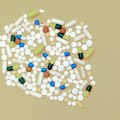
In a world increasingly obsessed with quick fixes and instant results, the allure of diet pills is undeniably strong. For many, these supplements promise a shortcut to weight loss, often marketed as a way to achieve the body of your dreams with minimal effort. However, beneath this appealing facade lies a more troubling reality that is often overlooked: the potential is undeniably strong. For many, these supplements promise a shortcut to weight loss, often marketed as a way to achieve the body of your dreams with minimal effort. However, beneath this appealing facade lies a more troubling reality that is often overlooked: the potential cardiovascular risks associated with diet pillscardiovascular risks associated with diet pills.The heart, one of the most vital organs in our body, can be significantly affected by substances that alter metabolism and appetite. While some individuals may experience initial weight loss, the long-term implications for heart health can be dire.
From increased heart rate and elevated blood pressure to more severe conditions such as heart attacks or strokes, the consequences of using these pills can be life-altering. As consumers, it is crucial to educate ourselves about what we are putting into our bodies. In this article, we will delve deep into the specific cardiovascular risks linked to diet pills, examining how these products work, the ingredients commonly found in them, and the scientific studies that have explored their effects. By understanding these risks, we can make informed decisions about our health and well-being. Join us as we uncover the truths behind diet pills and their potential impact on cardiovascular health. Your heart deserves careful consideration, and knowledge is the first step towards making safer choices. The increasing popularity of diet pills among individuals looking to lose weight or manage their appetite has become a significant trend in recent years.
Many are enticed by the promise of quick results and the various options available, ranging from natural supplements to prescription medications. However, while the allure of rapid weight loss is appealing, it is crucial to understand the potential cardiovascular risks that accompany these products. One of the primary concerns regarding diet pills is their ingredients, particularly certain stimulants that can negatively impact heart health. Common stimulants found in many diet pills, such as caffeine, ephedra, and synephrine, can lead to increased heart rate and elevated blood pressure. These physiological changes can put undue strain on the heart, particularly for individuals who may already have underlying health conditions. The misuse or overuse of diet pills can escalate these risks significantly.
There have been documented cases of serious cardiovascular events, including heart attacks and strokes, linked to the consumption of these products. For instance, research has shown that individuals taking high doses of ephedra-containing supplements experienced a greater incidence of adverse cardiovascular outcomes compared to those who did not use such products. In 2004, the U.S. Food and Drug Administration (FDA) banned ephedra due to its association with severe health risks. Specific diet pills have garnered attention for their alarming side effects.
For example, the weight-loss drug fen-phen, which was popular in the 1990s, was found to cause significant heart and lung problems, leading to its withdrawal from the market. Similarly, studies have linked certain thermogenic fat burners to increased rates of heart palpitations and anxiety, highlighting the importance of scrutinizing what is contained in these seemingly harmless pills. To navigate the landscape of diet pills safely, users should be vigilant in identifying safer options. This includes looking for products that are clinically tested and approved by regulatory bodies and avoiding those with a long list of unverified ingredients. Consulting with healthcare professionals before starting any regimen is paramount; they can provide personalized advice based on individual health profiles and help mitigate potential risks. It is essential to acknowledge that there are differing opinions about diet pills.
Some advocates argue that the benefits may outweigh the risks for certain individuals, particularly those struggling with obesity or weight-related health issues. However, this perspective must be balanced with a cautious approach that emphasizes informed decision-making. The potential for serious cardiovascular risks necessitates a thorough understanding of both the benefits and drawbacks before embarking on any weight-loss journey. In conclusion, while diet pills can offer a tempting shortcut for weight loss, it is imperative to remain aware of their potential impacts on cardiovascular health. Users must conduct thorough research, consult healthcare professionals, and weigh their options carefully to ensure they are making safe choices regarding their health and well-being.
Common Ingredients and Their Effects
As the demand for diet pills continues to rise, it's crucial to examine the common ingredients that these products contain and how they may impact cardiovascular health.Many diet pills include stimulants, which can significantly affect heart function and overall well-being. One of the most prevalent ingredients is caffeine, a well-known stimulant found in various over-the-counter diet pills. While moderate caffeine consumption is generally safe for most individuals, excessive intake can lead to increased heart rate, elevated blood pressure, and even cardiac arrhythmias. For those with pre-existing heart conditions, the effects can be particularly concerning. Another ingredient often found in diet pills is synephrine, derived from bitter orange. Synephrine is marketed as a natural alternative to ephedra, but it shares similar cardiovascular risks.
Studies have indicated that synephrine can increase heart rate and blood pressure, potentially leading to serious complications, especially when combined with other stimulants. Other stimulants such as guarana, ephedra, and various proprietary blends frequently appear in diet pills as well. These ingredients can amplify the effects of caffeine and synephrine, compounding the risks associated with their use. Consumers should be particularly cautious about products that do not disclose their full ingredient list or dosage levels, as this lack of transparency can obscure potential dangers. Understanding these ingredients and their potential cardiovascular effects is essential for anyone considering diet pills. While the allure of quick weight loss may be tempting, prioritizing heart health should always come first.
Real-Life Cases and Studies
As the use of diet pills has surged, so too have the reports of their cardiovascular complications.Numerous case studies and research findings shed light on the potential dangers associated with these weight-loss aids. For instance, a study published in the New England Journal of Medicine examined a group of individuals who used a popular prescription diet pill known as fen-phen. This combination of fenfluramine and phentermine was linked to severe heart valve disease and pulmonary hypertension, leading to significant morbidity. In another instance, researchers at the Journal of the American College of Cardiology conducted a study that evaluated patients using ephedra-based supplements. They found that these products were associated with an increased risk of heart attacks and strokes, particularly among those with pre-existing cardiovascular conditions.
The findings highlighted the need for caution when considering such supplements, as the stimulant effects can dangerously elevate blood pressure and heart rate. A case report from the British Medical Journal detailed a young woman who experienced a life-threatening arrhythmia after using an over-the-counter diet pill that contained high doses of caffeine and other stimulants. This incident underscored the unpredictable nature of how different bodies react to these substances, emphasizing the importance of understanding one's own health before embarking on a weight-loss journey with diet pills. These real-life cases illustrate the pressing need for awareness regarding the cardiovascular risks linked to diet pills. As more individuals seek quick solutions for weight management, it is crucial to weigh the benefits against the potential hazards that could have lasting effects on heart health.
Safe Practices for Weight Loss
When it comes to achieving weight loss goals, safe practices should always take precedence over quick fixes like diet pills. While the allure of rapid results can be tempting, understanding sustainable methods is crucial for long-term health, especially regarding cardiovascular risks.Here are some effective strategies that can complement or even replace the need for diet pills:1.Balanced Nutrition: Focus on a well-rounded diet rich in whole foods such as fruits, vegetables, lean proteins, and whole grains. This not only promotes weight loss but also ensures that your body receives the necessary nutrients to function optimally.
2.Regular Physical Activity:
Incorporating regular exercise into your routine can significantly enhance weight loss efforts. Aim for at least 150 minutes of moderate aerobic activity each week, combined with strength training exercises to build muscle and boost metabolism.3.Mindful Eating:
Pay attention to hunger cues and practice mindful eating. This involves savoring each bite, eating slowly, and being aware of portion sizes.Such habits can help prevent overeating and promote a healthier relationship with food.
4.Hydration:
Staying hydrated is essential for overall health and can aid in weight management. Drinking water before meals can help you feel fuller and reduce calorie intake.5.Seek Professional Guidance:
Consulting with a healthcare provider or a registered dietitian can provide personalized advice tailored to your specific needs, making weight loss safer and more effective.6.Set Realistic Goals:
Establish achievable weight loss goals that focus on gradual changes rather than drastic measures. Aim for losing 1-2 pounds per week to ensure sustainable progress. By adopting these safe practices, individuals can work towards their weight loss goals without compromising their health or increasing their cardiovascular risks. Remember, lasting change takes time and dedication, but the benefits extend far beyond the scale. In conclusion, the discussion surrounding cardiovascular risks associated with diet pills highlights the critical need for awareness and caution among those seeking weight loss solutions.We explored common ingredients found in these products, their potential effects on heart health, and real-life cases that illustrate the serious consequences that can arise from misuse. The allure of rapid weight loss through diet pills is undeniable, yet it is imperative to weigh these benefits against the possible health risks. Moreover, the importance of adopting safe practices for weight management cannot be overstated. It is crucial for individuals to prioritize their long-term health over immediate results. Therefore, we strongly encourage readers to consult with healthcare providers before embarking on any weight loss journey involving diet pills.
By doing so, they can explore safer and more effective strategies tailored to their individual needs.